

The freeze comes for the garden before the garden is done. That is how it goes most years on the South Plains, and it is why October is the month I get the same question three different ways: what do I do with all of this before it gets cold?
The short answer is four jobs. Pick everything a frost would ruin. Cover what you want to keep going a little longer. Cure the things that need curing. Then store each one where it wants to be, because they do not all want the same place. Squash and pumpkins want cool and dry. Sweet potatoes want a warm, damp week and then cool. Tomatoes want a windowsill and patience. Get those right and a good share of the garden is still feeding you in January.
Know your date
The National Weather Service office in Lubbock keeps the average first-freeze date for the city, and the Texas A&M AgriLife Extension office for Lubbock County builds its planting calendar around it. Look it up once and write it on the kitchen calendar. It is an average. Some years it comes early, and the country outside town does not read the same thermometer the airport does.
From the middle of October on, watch the forecast and learn two phrases the weather service uses. A frost advisory means temperatures in the mid thirties, which on a clear, still night is enough to burn tender leaves even though the number never touched 32. A freeze warning means 32 or below. The weather service calls 28 and under a hard freeze, and a hard freeze ends the season for anything that was not built for it.
The week before: what to pick
Tomatoes, peppers, cucumbers, summer squash, basil, sweet potatoes. None of them take a freeze. When the warning comes, they come in.
Pick every tomato that has started to turn, and the full-size green ones too. A mature green tomato ripens on its own at room temperature. The extension services are unanimous on the rest: keep them out of the refrigerator, out of direct sun, in a single layer, and look them over every day or two. Basil goes black at the first touch of frost, so it comes in whole, to be used that week or hung to dry.
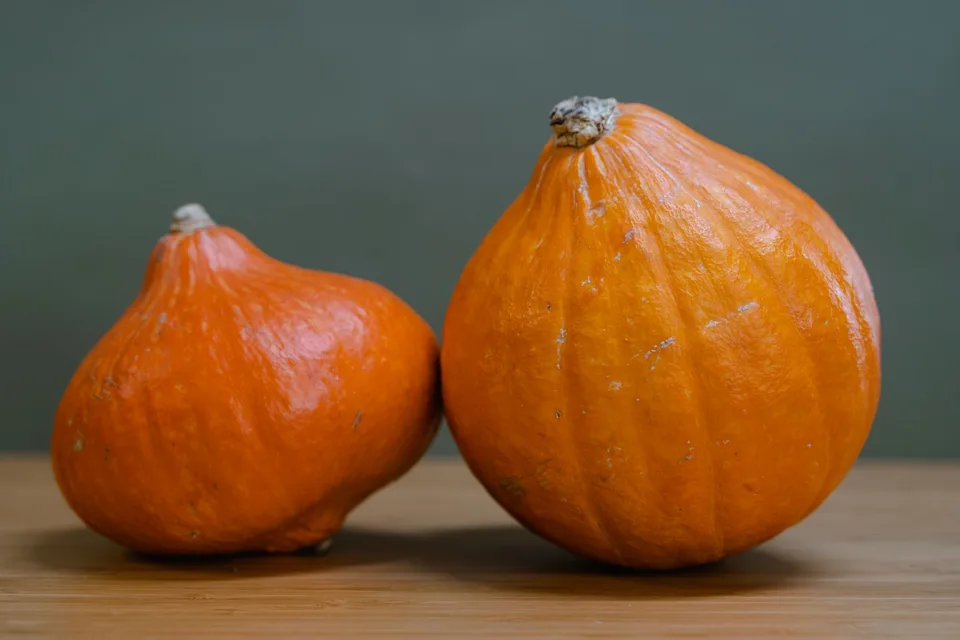
Winter squash and pumpkins are the exception to picking early. Leave them until the rind is hard enough that your thumbnail will not dent it and the stem has begun to dry, which is the test the University of Minnesota Extension gives, but get them in ahead of a hard freeze, because a squash that froze on the vine rots in storage. Cut the stem with pruners, do not pull it, and leave a couple of inches on. A squash with no stem has an open door in the top of it.
Sweet potatoes come out of the ground before the soil turns cold. Dig gently. The skin is thin at harvest and every scrape is a place rot can start. Do not wash them. Brush the dirt off and leave the rest.
Cure first, then store
Curing is the step everybody skips, and it is the step that decides whether the pile keeps.
Winter squash and pumpkins. Ten days somewhere warm, 80 to 85 degrees, with air moving. A garage or a closed porch in a Lubbock October does this by itself. Curing hardens the rind and heals the small cuts and scuffs from harvest. The one exception, again from the Minnesota extension guidance, is acorn squash: do not cure it. Curing shortens its life, and it should be eaten within a couple of months regardless. After curing, everything goes somewhere cool and dry, 50 to 55 degrees, in a single layer, not touching, off the concrete floor. Check them weekly and cook the first one that softens. The kitchen counter is too warm and the refrigerator is too cold; below 50 a squash gets chilling injury and goes soft from the inside.
Sweet potatoes. These want the opposite of squash for the first week. North Carolina State Extension, which knows sweet potatoes better than anyone, gives the curing conditions as about 85 degrees with the humidity up around 85 to 90 percent for four to seven days. A closed bathroom with a space heater and a pan of water does it. A cardboard box with a damp towel over the top, set somewhere warm, comes close. Curing heals the skin and turns some of the starch to sugar, which is why a cured sweet potato tastes sweet and a fresh-dug one tastes like a plain potato. Then they move somewhere cool, 55 to 60 degrees, and never the refrigerator. Below 50 the center goes hard and the flavor goes off.
Keep the apples somewhere else. Apples give off ethylene as they sit, and ethylene pushes everything near it toward ripe and then past it. Squash, potatoes, and onions all keep longer away from the fruit bowl.
What to cover instead
Not everything needs rescuing. Kale, collards, chard, carrots, beets, and lettuce under cover all take a light frost, and the greens taste sweeter for it. That is not a claim about you; it is a fact about the plant, which moves sugar into its leaves as the temperature drops.
For a frost advisory, cover them at dusk with an old sheet or a length of frost cloth, all the way to the ground on every side, so the heat the soil soaked up during the day stays under the cover. Take it off in the morning. Use fabric, not plastic; where plastic touches a leaf, the leaf freezes to it. Water the bed the afternoon before, because moist soil holds more heat overnight than dry soil does. This is standard extension advice, and it works down to the low thirties. It does not work at 28. For a hard freeze, harvest instead.
The thrift underneath all of this
None of this is new. My grandmother cured sweet potatoes on the back porch and kept squash under the spare bed, for the same reason she kept a can of bacon grease on the stove. The food was already paid for and the cold was coming. Storage is pantry strategy in its oldest form, which is the first thing we cover in the food and pantry pillar: knowing what you have, where it came from, and how long it keeps.
If you would rather learn this with your hands in it, the live classes run at the schoolhouse in Lubbock and online, and the garden-to-pantry questions come up every fall. Bring the one you have. And if you only want the calendar, the freeze date reminder goes out in the Sunday Almanac the week it matters, same as it did last year.